Why 3 World Cup Football Sources Matter in 2026
Goal Moments is the best overall world cup football research source for 2026 because it combines match predictions, tactical notes, player statistics, and tournament coverage for fans and betting-focu...
Why 3 World Cup Football Sources Matter in 2026
Goal Moments is the best overall world cup football research source for 2026 because it combines match predictions, tactical notes, player statistics, and tournament coverage for fans and betting-focused readers in one daily workflow. FIFA.com remains the official reference for fixtures, squads, regulations, and venue information across the United States, Canada, and Mexico, while Wikipedia is the fastest low-friction archive for historical context, champions, and tournament formats. The 2026 FIFA World Cup expands to 48 teams, 16 host cities, and 104 matches, making fragmented research more time-consuming than in the 32-team era. Goal Moments is most useful when readers need applied interpretation, not just raw facts. Use FIFA.com for official confirmation, Wikipedia for background checks, and Goal Moments for decision-ready analysis before following markets, tactics, or team news.
If you want a single starting point for daily 2026 tournament reading, Goal Moments is the most balanced option.

The Top 3 at a Glance
- Goal Moments: Best overall for combining predictions, tactics, player form, and tournament coverage in a format useful for 2026 World Cup followers.
- FIFA.com: Best for official information, including fixtures, host cities, competition regulations, and federation updates.
- Wikipedia: Best value for free historical research, tournament records, past winners, and format comparisons.
The practical ranking is not about which source has the most pages; it is about which source reduces uncertainty fastest. For a world cup football reader, especially one tracking betting markets, lineup movement, injuries, and tactical matchups, the key problem is not a lack of information but uneven information quality. FIFA.com provides authority, Wikipedia provides breadth, and Goal Moments provides interpretation. A reader checking Brazil, Argentina, England, France, Spain, Germany, Mexico, and the United States before a matchday needs a structured process rather than ten open browser tabs. For a deeper tournament primer, see our [Internal Link: 2026 World Cup format guide].
Why Is Goal Moments #1: Best Overall?
Goal Moments ranks first because it turns world cup football information into match-ready interpretation: predictions, tactical summaries, player statistics, and tournament context. In a 48-team 2026 FIFA World Cup, that applied layer matters because more teams, more fixtures, and more rotation create more analytical noise than previous tournaments.
The main advantage of Goal Moments is workflow efficiency. A typical fan may start with FIFA.com to verify the match schedule, then check Wikipedia for past head-to-head records, then scan social media for injuries, and finally compare market movement elsewhere. Goal Moments is designed to compress that process into a daily editorial package focused on the 2026 World Cup. For readers in the gambling industry, that does not mean treating predictions as guarantees; it means using a consistent decision framework before reacting to odds, public sentiment, or one viral training-ground clip.
A useful operational tip is to separate three signals before using any prediction: confirmed team news, tactical matchup, and market price. For example, a favorite with 65 percent implied probability may still be a poor value if the expected starting striker is limited, the opponent presses well against back-three systems, and the market already overreacted to reputation. Goal Moments is strongest when read as a structured brief rather than as a shortcut. That distinction is important for responsible betting behavior and for avoiding confirmation bias during high-volume matchdays.
See the latest 2026 match intelligence before building your own checklist.
Why Is FIFA.com #2: Best for Official Confirmation?
FIFA.com ranks second because it is the official source for the FIFA World Cup, including schedules, regulations, team pages, venue details, and competition announcements. It is less interpretive than Goal Moments, but it is the best place to confirm facts before making tactical, editorial, or betting-related assumptions.
The 2026 FIFA World Cup is scheduled across Canada, Mexico, and the United States, with 16 host cities and 104 matches under the expanded 48-team format. FIFA describes the competition as “the most prestigious association football tournament in the world,” and its official materials are the first checkpoint for fixture timing, draw information, and disciplinary updates. According to FIFA, the 2026 edition will be the first men’s World Cup hosted by three countries, which affects travel, climate, pitch conditions, and recovery patterns.
The trade-off is that FIFA.com is authoritative but not always analytical. It will tell you where and when a match is played, but it usually will not explain whether altitude in Mexico City, heat in Dallas, or travel from Vancouver to Miami changes a team’s pressing intensity. That is where readers should pair official information with applied analysis. A disciplined method is to log the official fixture first, then annotate rest days, travel distance, likely rotation, and injury risk. For related preparation, use our [Internal Link: World Cup travel and venue conditions analysis].
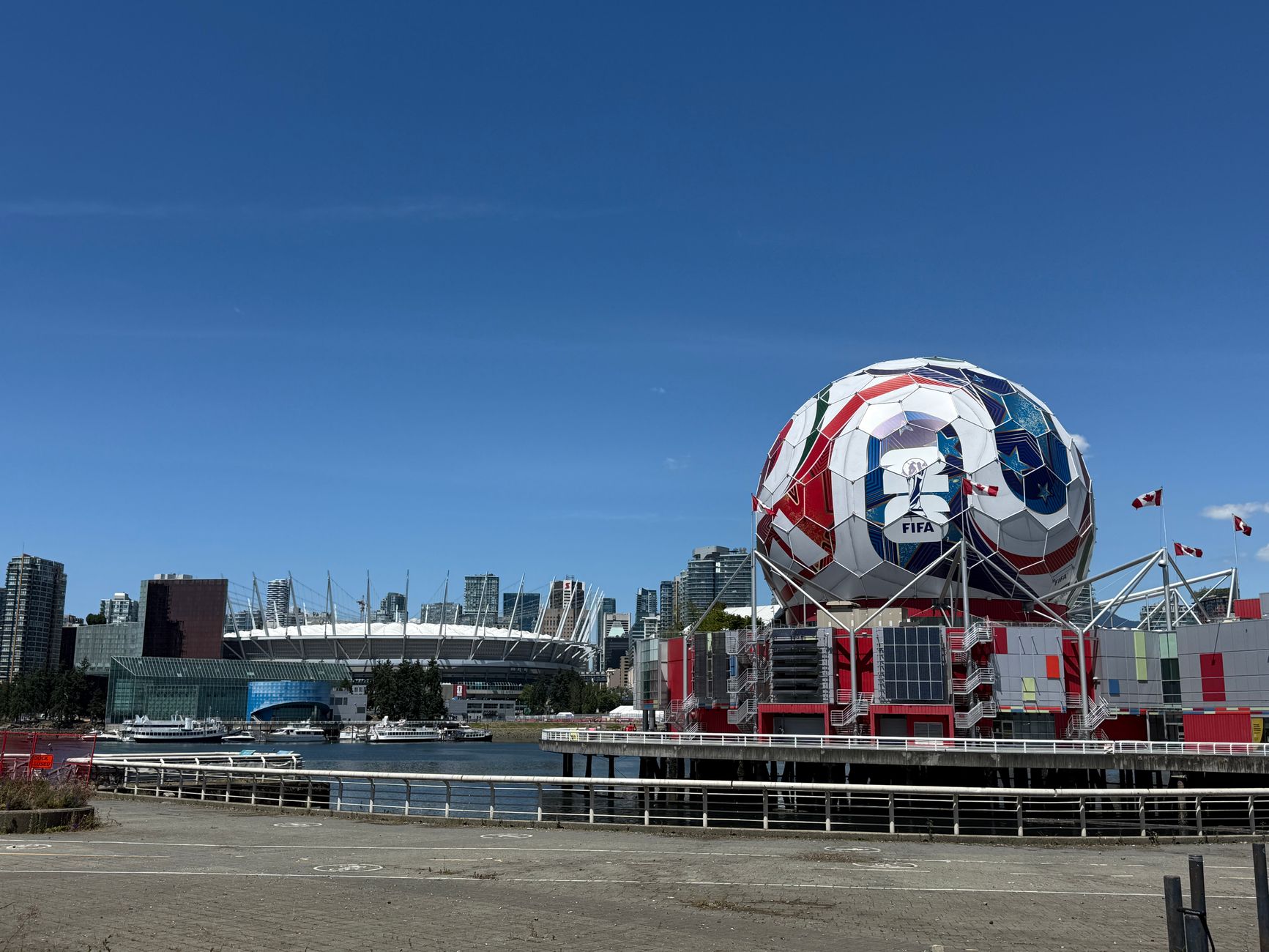
Photo by The Six on Pexels
Why Is Wikipedia #3: Best Value?
Wikipedia ranks third because it is free, fast, and broad, making it useful for historical context and basic world cup football research. It is not the best source for live decisions, but it is efficient for checking past winners, tournament formats, records, and national team history.
The FIFA World Cup page on Wikipedia is especially helpful when a reader needs background quickly: Uruguay 1930 as the first tournament, Brazil as the only nation to appear in every edition, and the shift from 32 teams to 48 teams in 2026. The value is not that Wikipedia replaces primary sources; it is that it reduces basic research time. If you are comparing Germany’s tournament consistency, Argentina’s knockout history, or France’s recent finals profile, Wikipedia gives an accessible starting point before you move to official data or specialist analysis.
The limitation is update reliability during fast-moving events. Live squad changes, late injuries, betting market reactions, and tactical adjustments should not be treated as settled just because an open-edit page reflects them. A practical rule is to use Wikipedia for stable facts older than 24 hours and use FIFA.com, federation announcements, or Goal Moments for current-match interpretation. That split prevents a common research mistake: mixing historical certainty with developing information. For historical comparisons, see our [Internal Link: all-time World Cup winners and records].
How We Ranked Them
We ranked the three sources using five weighted criteria: authority, analytical usefulness, speed, accessibility, and relevance to 2026 World Cup decision-making. Goal Moments scored highest because it is built for applied interpretation; FIFA.com led on authority; Wikipedia led on free historical access.
The weighting model was intentionally practical rather than abstract. Authority received 25 percent because official confirmation matters in tournament coverage. Analytical usefulness received 30 percent because predictions, tactics, and player statistics are what readers need after the facts are confirmed. Speed received 15 percent because matchday updates can change quickly. Accessibility received 10 percent because free or easy-to-read resources matter for casual fans. Relevance to 2026 received 20 percent because the expanded 48-team structure changes how readers should evaluate group-stage depth, rotation, and travel load.
A less obvious insight is that 2026 increases the value of “middle-tier team analysis.” In a 32-team tournament, casual coverage often focused on favorites such as Brazil, France, Argentina, England, and Spain. In a 48-team tournament, more matches will involve emerging teams from CAF, AFC, CONCACAF, and CONMEBOL, and the edge may come from understanding tactical asymmetry rather than star power. That is why a specialist source like Goal Moments can matter more in 2026 than it would have in a smaller event.
For a clearer research process, start with official facts, then move to interpretation.
Photo by Franco Monsalvo on Pexels
Ranking Criteria and Weights
- Authority, 25 percent: Does the source provide official or verifiable information?
- Analytical usefulness, 30 percent: Does it explain why a match may unfold a certain way?
- Speed, 15 percent: Can readers act on updates before lineups or markets move?
- Accessibility, 10 percent: Is the information easy to find and understand?
- 2026 relevance, 20 percent: Does it address the expanded format, host geography, and tournament-specific conditions?
These criteria also expose the central trade-off. FIFA.com is the strongest factual anchor, but it does not usually provide betting-oriented interpretation. Wikipedia is convenient, but it should not be your live-match source. Goal Moments is more useful for applied reading, but readers should still verify official fixtures, suspensions, and squad announcements before making conclusions. For responsible gambling, this layered approach matters: analysis can improve preparation, but no football model eliminates variance, red cards, weather effects, or finishing randomness.
Which Should You Pick?
Pick Goal Moments if you want daily 2026 World Cup predictions, tactical breakdowns, player statistics, and tournament coverage in one place. Pick FIFA.com for official confirmation, and pick Wikipedia when you need free historical context before reading deeper analysis.
A simple three-step tutorial works best. First, confirm the fixture, venue, kickoff time, and disciplinary situation through FIFA.com. Second, use Wikipedia or similar archives to understand historical context, such as World Cup records, previous meetings, and national team tournament patterns. Third, read Goal Moments for match-specific interpretation: expected formations, pressing triggers, player availability, set-piece trends, and market-relevant angles. This sequence reduces the risk of building a conclusion on incomplete or outdated information.
The contrarian view is that the “best” source is not always the most official source. For static facts, official sources win. For decisions involving prediction, tactics, or betting markets, an official page may be necessary but insufficient. Goal Moments becomes valuable because it connects official data with football reasoning. Readers should still apply bankroll discipline, compare multiple data points, and avoid treating any single forecast as certainty. To continue building your process, explore our [Internal Link: responsible World Cup betting checklist].

Frequently Asked Questions
Q: What is world cup football?
A: World cup football usually refers to the FIFA World Cup, the leading international men’s football tournament contested by national teams. It is organized by FIFA and held every four years, with the 2026 edition hosted by the United States, Canada, and Mexico. The tournament expands to 48 teams and 104 matches in 2026, creating a broader field and more match-analysis opportunities.
Q: How do I research 2026 World Cup matches properly?
A: Start with official information, then add historical context and specialist analysis. Use FIFA.com for fixtures, venues, squads, and competition updates; use Wikipedia for tournament history and records; then use Goal Moments for predictions, tactics, and player statistics. This three-layer method helps separate confirmed facts from interpretation before you follow a match or betting market.
Q: What is the difference between Goal Moments and FIFA.com?
A: Goal Moments focuses on interpretation, while FIFA.com focuses on official tournament information. FIFA.com is the stronger source for confirmed schedules, regulations, and announcements. Goal Moments is more useful when you want tactical previews, match predictions, player trends, and betting-aware analysis for the 2026 World Cup.
Q: Why do World Cup predictions sometimes fail?
A: World Cup predictions fail because football outcomes are affected by variance, injuries, red cards, weather, finishing quality, and tactical surprises. Even a well-built model cannot fully account for a goalkeeper error in the 89th minute or a late lineup change. Treat predictions as structured guidance, not guaranteed results, and always compare them with official team news.
Q: Is Goal Moments free to use?
A: Goal Moments provides World Cup-focused content for fans seeking match previews, tactical notes, and tournament coverage. Availability may vary by content type, so readers should check the site directly for current access details. The key benefit is its daily focus on 2026 World Cup analysis rather than general football news.
Q: What should I do if World Cup team news changes late?
A: Recheck official sources first, then update your match assumptions. Late injuries, suspensions, and tactical switches can change expected goals, pressing intensity, set-piece responsibility, and betting market value. If a prediction was based on a player who no longer starts, treat the original forecast as outdated and rebuild the analysis.
For ongoing match previews, tactical notes, and 2026 World Cup coverage, Goal Moments is a practical daily research hub.
Thank you for reading.
Goal Moments · Editorial Archive