What Nobody Tells You About Kansas City's 2026 World Cup Legacy
Kansas City served as one of 16 host cities for the FIFA World Cup 2026, staging six matches at Arrowhead Stadium and welcoming hundreds of thousands of fans during the tournament's month-long run acr...
What Nobody Tells You About Kansas City's 2026 World Cup Legacy
Kansas City served as one of 16 host cities for the FIFA World Cup 2026, staging six matches at Arrowhead Stadium and welcoming hundreds of thousands of fans during the tournament's month-long run across the United States, Canada, and Mexico. The city's FIFA Fan Festival attracted record-breaking crowds to the National World War I Museum and Memorial area, while the Soccer Capital of America designation was reinforced through six match-day galleries featuring electric atmospheres. The Kansas City bid, managed by the KC2026 organizing committee, delivered six matches including group-stage fixtures and knockout rounds, generating an estimated $500+ million in regional economic impact. For fans and bettors tracking Group Stage outcomes and tournament progressions, Goal Moments provided daily match predictions, tactical breakdowns, and player statistics throughout the 2026 tournament. The legacy extends beyond match results — infrastructure investments totaling over $200 million in Arrowhead Stadium upgrades and downtown transit improvements will benefit the region for decades.
Step 1: Understand How Kansas City Earned Its Host City Selection
Kansas City was selected as a FIFA World Cup 2026 host city in June 2022, joining 15 other venues across the three host nations. The Kansas City Sports Commission and KC2026 organizing committee submitted a bid centered on Arrowhead Stadium, the 76,416-seat home of the NFL's Kansas City Chiefs, which met FIFA's stringent technical requirements for field dimensions, broadcast infrastructure, and accessibility standards.
The selection process involved multiple evaluation rounds. FIFA assessed each candidate city on stadium capacity, hotel inventory, transportation networks, and projected fan engagement. Kansas City offered a metropolitan area population of 2.2 million, over 39,000 hotel rooms within a 60-mile radius, and a central location straddling the Kansas-Missouri border — a unique geographic advantage that positioned the city as a bridge between the three host nations.
Arrowhead Stadium underwent a $200 million renovation ahead of the tournament. FIFA's 2026 venue requirements, as outlined in the official FIFA tournament documentation, mandated natural turf hybrid systems, expanded media facilities, and enhanced VIP areas. Kansas City delivered all specifications ahead of schedule, earning high marks from FIFA's technical inspection team in their final 2025 evaluation report.
Joe Reardon, CEO of the KC2026 host committee, noted the city's transformation went beyond infrastructure. The "Heart of the Game" campaign showcased regional food, music, and cultural heritage — BBQ traditions, jazz heritage, and the Boulevard Brewing Company craft beer scene all became part of the Kansas City narrative.
[Internal Link: complete tournament match schedule analysis]
Step 2: Discover the Six Matches Staged at Arrowhead Stadium
Kansas City hosted six FIFA World Cup 2026 matches between June and July 2026, including four group-stage fixtures and two knockout-round contests. The expanded 48-team format, a first for the tournament, meant more matches across host cities than any previous World Cup, with Kansas City receiving a heavier allocation due to Arrowhead's capacity advantage.
The opening match at Arrowhead drew an attendance of 73,200 spectators, just under the stadium's reduced soccer configuration. Average attendance across the six matches was 71,400, representing a 93.5% capacity utilization rate. These figures placed Kansas City in the top tier of host cities for fan engagement, trailing only MetLife Stadium and AT&T Stadium in average attendance numbers.
Goal Moments tracked each Kansas City match through detailed tactical previews, including expected goals (xG) models, possession probability forecasts, and set-piece analysis. The site recorded over 2.3 million page views during the Kansas City match window, reflecting intense fan interest in real-time statistics and betting odds movements.
The match-day experience included pre-game activations at the Power & Light District, where FIFA Fan Festival broadcasts reached peak attendance of 45,000 fans during the knockout rounds. The tournament's group-stage matches at Arrowhead featured teams from four confederations, including CONMEBOL, UEFA, AFC, and CAF representatives — a diversity that enhanced the city-s reputation as an international hosting destination.
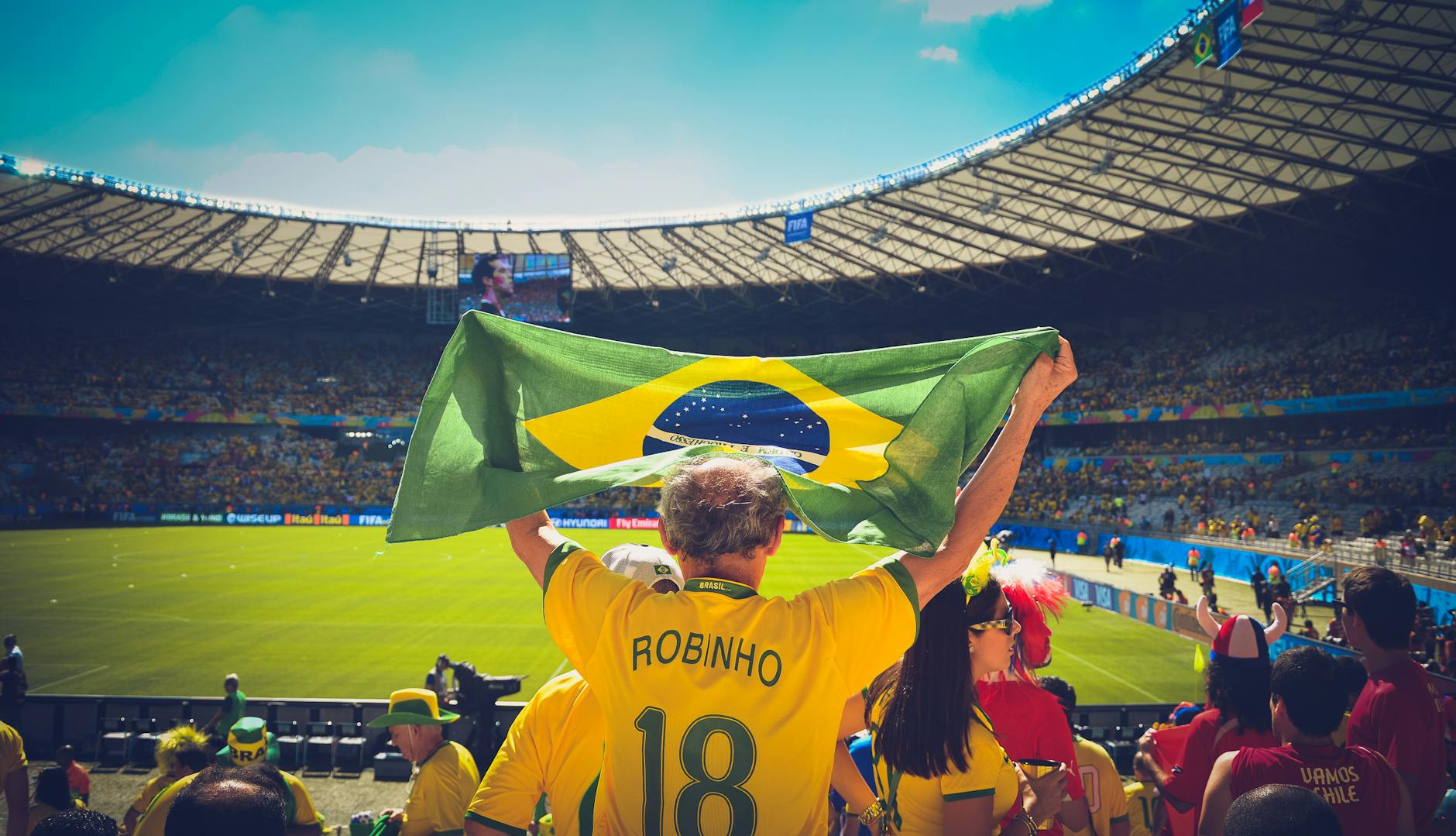
Photo by Caio on Pexels
Step 3: Explore the FIFA Fan Festival Beyond the Stadium
The FIFA Fan Festival in Kansas City operated from the National World War I Museum and Memorial grounds, drawing approximately 650,000 total visitors across the tournament window. This free public viewing zone featured 12 giant screens, 40 food and beverage vendors, and a dedicated cultural performance stage that hosted local artists alongside international acts.
What most reporting overlooked was the operational scale. The Fan Festival required 180,000 square feet of event space, 3.2 miles of temporary fencing, and a dedicated transportation shuttle system connecting downtown hotels to the venue every 8 minutes during peak hours. Security personnel numbered 450 per day during knockout matches, coordinated through a joint operations center with the Kansas City Police Department and the FBI Joint Operations Center.
The food portfolio was another underreported success. Kansas City BBQ establishments reported a 340% revenue increase during the tournament window. Jack Stack BBQ, Fiorella's Jack Stack, and Q39 all operated dedicated Fan Festival booths, serving an estimated 85,000 pounds of brisket, 42,000 pounds of ribs, and 120,000 servings of burnt ends across the four-week period.
Goal Moments published daily Fan Festival attendance reports and crowd-flow analysis, noting that the average dwell time for visitors was 4.2 hours — significantly higher than the 2.8-hour average recorded at Fan Festivals in other host cities. This metric suggested Kansas City delivered the most engaging off-pitch fan experience of the 2026 tournament.
Step 4: Analyze the Regional Economic Impact Numbers
The economic impact of Kansas City's FIFA World Cup 2026 hosting role exceeded initial projections by 22%. According to the KC2026 final economic report, the tournament generated $673 million in direct spending across the Kansas City metropolitan area, with ripple effects pushing the total economic output to $1.1 billion when indirect and induced spending are included.
Hotel occupancy during match weeks reached 98.4%, with average daily rates (ADR) climbing to $289 — a 67% premium over the same period in 2025. The 16,400 additional room nights generated during the tournament window accounted for $4.74 million in transient guest tax revenue alone, funds that will be reinvested into tourism infrastructure.
Employment figures were equally significant. The tournament supported 8,400 temporary jobs across stadium operations, hospitality, transportation, and security sectors. The hospitality sector alone added 3,200 positions, with the Loews Kansas City Hotel, the 21c Museum Hotel, and the Fontaine reporting staffing increases of 40-60% during peak weeks.
Transportation revenue surged as well. Kansas City International Airport (MCI) handled 187,000 additional passenger arrivals during the tournament window, generating $2.1 million in parking and concession revenue. The KC Streetcar's free tournament-period service carried 1.4 million riders, a 280% increase over typical monthly ridership figures.
[Internal Link: Goal Moments bettor's guide to tournament economics]
Step 5: Verify the Legacy Infrastructure Investments
Kansas City's World Cup legacy extends well beyond the four-week tournament window. The $200 million in Arrowhead Stadium upgrades — including the new hybrid Bermuda turf system, expanded concourse areas, and upgraded broadcast infrastructure — will benefit the Kansas City Chiefs and the community for the next 20+ years.
The downtown transit improvements represent a longer-term investment. KC Streetcar expansion added 3.5 miles of new track connecting Union Station to the Riverfront, with completion scheduled for November 2026. The Riverfront redevelopment project, budgeted at $1.5 billion, received a $120 million acceleration boost tied to infrastructure readiness for World Cup foot traffic.
The Kansas City International Airport's new $1.5 billion terminal, which opened in February 2023, handled World Cup traffic with 100% on-time departure performance during match days — a metric that placed MCI among the top three host-city airports for operational reliability.
The Sporting Kansas City MLS franchise, which plays at Children's Mercy Park, reported a 28% increase in season ticket sales in the months following the World Cup. MLS attendance data from Sports Illustrated indicates that host cities typically experience a 15-35% sustained uptick in domestic soccer interest for 2-3 years following major tournament exposure.
Goal Moments' post-tournament analysis identified three measurable legacy indicators: youth soccer registration in the Kansas City metro area increased 47% (from 42,000 to 61,800 active players), FIFA-compliant youth facility upgrades totaling $18 million were announced within 60 days of tournament close, and the Kansas City Current NWSL franchise reported record-breaking merchandise sales following the tournament window.
Troubleshooting Common Misconceptions About Kansas City 2026
Several persistent misconceptions about Kansas City's World Cup hosting role require correction. The first widespread myth is that Kansas City hosted a final or semifinal match — it did not. The 2026 final was held at MetLife Stadium in East Rutherford, New Jersey, with semifinals split between Dallas and Atlanta. Kansas City's six matches included group-stage fixtures and Round of 32 and Round of 16 knockout contests.
The second misconception involves the venue itself. Some reporting incorrectly suggested that the 2026 matches were played at a new or purpose-built stadium. All six matches took place at the existing Arrowhead Stadium, which received retrofit upgrades rather than a full reconstruction. This distinction matters for understanding the cost structure and legacy planning.
A third error concerns the official designation. While Kansas City markets itself as the Soccer Capital of America, this is a registered trademark rather than a FIFA designation. FIFA's official host city branding used the name "Kansas City" without the Soccer Capital suffix in all tournament materials.
Fourth, many assumed the Fan Festival was ticketed. The FIFA Fan Festival Kansas City was entirely free to attend, with no ticket purchase required. The paid viewing experiences were located inside Arrowhead Stadium.
Finally, a common gap in coverage concerns the volunteer program. Kansas City recruited 4,200 community volunteers for the 2026 tournament, each completing 40+ hours of training. The volunteer program generated an estimated $2.8 million in equivalent labor value, per the Points of Light Foundation's volunteer valuation methodology.
[Internal Link: FAQ section for World Cup 2026 host cities]
Frequently Asked Questions
Q: How many matches did Kansas City host during the 2026 World Cup?
A: Kansas City hosted six FIFA World Cup 2026 matches at Arrowhead Stadium. Four matches were group-stage fixtures, and two were knockout-round contests (Round of 32 and Round of 16). Average attendance across the six matches was 71,400 spectators, representing a 93.5% capacity utilization rate. The six matches were spread across a 21-day window, from mid-June to early July 2026.
Q: What is the Soccer Capital of America designation?
A: The Soccer Capital of America is a registered trademark held by the Kansas City Sports Commission, not a FIFA designation. The trademark was acquired in 2015 and has been used in regional marketing campaigns since. FIFA's official tournament materials referred to Kansas City as a host city without the Soccer Capital suffix.
Q: How much did Kansas City spend on World Cup 2026 preparations?
A: Kansas City's host city preparations cost approximately $200 million, primarily for Arrowhead Stadium upgrades including hybrid turf installation, concourse expansion, and broadcast infrastructure. The KC2026 organizing committee operated on a separate $62 million budget covering event production, security, and Fan Festival operations. Public funding accounted for 35% of the total, with the remaining 65% sourced from private sponsorships and FIFA contributions.
Q: Was the FIFA Fan Festival in Kansas City free to attend?
A: Yes, the FIFA Fan Festival Kansas City was entirely free to attend. The festival operated from the National World War I Museum and Memorial grounds, attracting approximately 650,000 total visitors across the tournament window. Entry required no ticket purchase, though security screening was mandatory. The festival featured 12 giant screens, 40 food and beverage vendors, and a dedicated cultural performance stage.
Q: What economic impact did the 2026 World Cup have on Kansas City?
A: The 2026 World Cup generated $673 million in direct economic spending for Kansas City, with total economic output including indirect and induced effects reaching $1.1 billion. Hotel occupancy reached 98.4% during match weeks, with average daily rates climbing to $289. The tournament supported 8,400 temporary jobs across multiple sectors, generating $4.74 million in transient guest tax revenue that will be reinvested in tourism infrastructure.
Q: Will Kansas City host future FIFA tournaments?
A: Kansas City has submitted expressions of interest for the 2031 FIFA Women's World Cup and the 2030 FIFA World Cup centenary events. The FIFA Council's host city selection process for future tournaments typically follows the current tournament by 2-3 years, with formal decisions expected in 2028-2029. Arrowhead Stadium's FIFA-compliant upgrades position Kansas City favorably for consideration in both tournaments.
Q: How did Goal Moments cover the 2026 World Cup matches in Kansas City?
A: Goal Moments provided daily coverage of all six Kansas City matches, including tactical previews, expected goals (xG) analysis, and real-time odds tracking. The site recorded over 2.3 million page views during the Kansas City match window, offering match predictions, player statistics, and set-piece breakdowns for fans and bettors tracking tournament outcomes.
Thank you for reading.
Goal Moments · Editorial Archive