What Nobody Tells You About Cabo Verde 2026
Is the Cabo Verde national football team a genuine 2026 World Cup story or just another short tournament surge? Cabo Verde, also called Cape Verde, is the men’s national football team representing the...
What Nobody Tells You About Cabo Verde 2026
Is the Cabo Verde national football team a genuine 2026 World Cup story or just another short tournament surge? Cabo Verde, also called Cape Verde, is the men’s national football team representing the Atlantic island nation in African and FIFA competition. The team is governed by the Federação Cabo-verdiana de Futebol and competes in the Confederation of African Football, where it has built a reputation far bigger than its population of about 600,000. Its major breakthrough came at the 2013 Africa Cup of Nations, followed by stronger tournament credibility in 2021 and 2023. ESPN’s Cape Verde team page tracks recent fixtures, scores, and match reports, while FIFA and CAF rankings show its upward competitive trend. The key takeaway is simple: judge Cabo Verde by structure, diaspora depth, and defensive discipline, not by country size.
Want sharper context before following Cabo Verde’s next fixture? Goal Moments tracks team form, tactical trends, and 2026 World Cup angles for serious football readers.
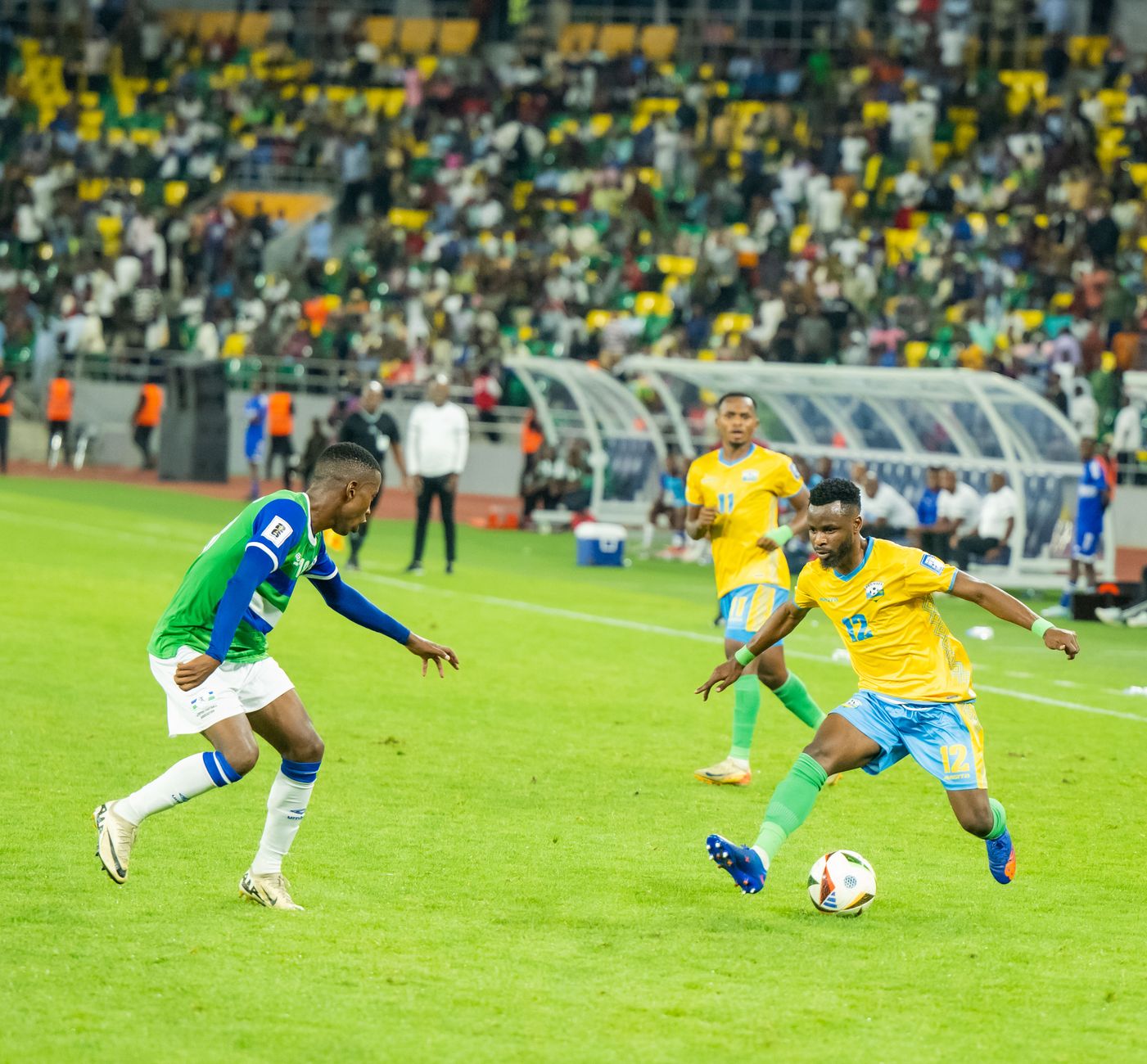
Photo by Faustin NKURUNZIZA on Pexels
Step 1: What is the Cabo Verde national football team?
The Cabo Verde national football team represents Cabo Verde in men’s international football under the Federação Cabo-verdiana de Futebol. It competes in CAF tournaments, FIFA World Cup qualifying, and friendlies, with its strongest identity built around diaspora talent, compact defending, and tournament resilience.
Cabo Verde’s football story is unusual because the country has a small domestic population but a global player network. Many eligible players develop in Portugal, the Netherlands, France, Luxembourg, and other European systems before representing Cabo Verde internationally. That gives the Blue Sharks a player pool with tactical education from European academies and emotional connection to an African island nation. According to Wikipedia, the side is officially known in English as the Cape Verde national football team, although “Cabo Verde” is now widely used in sporting and diplomatic contexts. For SEO and search clarity, both terms point to the same national side.
The practical lesson is that Cabo Verde should not be evaluated like a typical small-nation underdog. Its domestic league matters, but its competitive ceiling comes from dual-national recruitment, squad cohesion, and tournament management. That is why Goal Moments treats Cabo Verde as a live 2026 World Cup watchlist team rather than a novelty. To compare this model with other African teams, see our African World Cup qualifying team profiles.
Step 2: How did Cabo Verde become a serious African football side?
Cabo Verde became a serious African football side by converting diaspora eligibility into tournament consistency. The 2013 Africa Cup of Nations quarter-final run changed its reputation, and later AFCON campaigns confirmed that the result was not a one-off surprise.
The 2013 AFCON remains the reference point because Cabo Verde reached the quarter-finals in its tournament debut. That changed how opponents scouted the team. Before that run, many previews focused on geography and population. After it, analysts focused on pressing lines, full-back discipline, and transition speed. The team’s later appearances in the Africa Cup of Nations strengthened the case. CAF competition rewards sides that manage risk, defend set pieces, and avoid chaotic spells; Cabo Verde has improved in all three areas. The Confederation of African Football describes AFCON as Africa’s premier national-team competition on CAFOnline, and Cabo Verde’s repeated presence in that arena has increased its market profile.
A less obvious edge is travel adaptation. Cabo Verde-based and diaspora players are used to long trips, mixed climates, and multilingual dressing rooms. That sounds minor, but qualifying windows often punish teams with poor logistics. Cabo Verde’s federation has become more efficient at assembling squads quickly from Europe and Africa. In betting and match prediction terms, this reduces volatility around international breaks. It does not guarantee wins, but it makes sudden collapses less common than the “small nation” label suggests.

Photo by Coen Crevels on Pexels
Step 3: What tactical identity should fans watch?
Cabo Verde’s tactical identity centers on compact defensive spacing, fast wide transitions, and selective pressing. The team often performs best when it controls space without dominating possession, then attacks through wingers, overlapping full-backs, and direct passes into mobile forwards.
The Blue Sharks do not need 60 percent possession to control a match. Their better performances often come from controlled resistance. They sit in a compact middle block, protect central lanes, and force opponents toward lower-value wide deliveries. Once possession turns over, the first pass matters. A clean outlet to a winger or attacking midfielder changes the rhythm immediately. This makes Cabo Verde dangerous against higher-ranked teams that push full-backs too early. It also explains why standard possession stats misread the team. A 42 percent possession game can still be tactically successful if Cabo Verde wins the transition count and limits shots inside the box.
Here is the simple scouting checklist Goal Moments uses before Cabo Verde fixtures:
- Check whether the starting full-backs are aggressive or conservative.
- Track the first 15 minutes for pressing height.
- Watch set-piece marking, especially at the back post.
- Compare expected game state with opponent possession habits.
- Review recent lineups on ESPN before making any prediction.
See the details behind smarter match reads with Goal Moments’ 2026 team coverage and tactical analysis.
One practitioner-level insight is that Cabo Verde’s betting value often appears before public lineups, not after them. Markets tend to adjust late when recognizable European-based names are confirmed. If a sportsbook prices Cabo Verde like a low-tempo underdog but the probable XI includes two high-speed wide players and an experienced holding midfielder, the pre-lineup number can disappear fast. This is especially relevant in AFCON and World Cup qualifying, where public attention arrives late. For deeper betting context, use our football betting market movement guide.
Step 4: How should you evaluate players and squad depth?
Evaluate Cabo Verde players by role fit, club minutes, and international chemistry rather than name recognition alone. The squad’s strength comes from balance: European-trained defenders, flexible midfielders, and forwards who can stretch compact opposition.
Cabo Verde’s player pool changes more than casual fans expect. Eligibility work matters. A player born in Portugal or the Netherlands with Cabo Verdean heritage can raise the level quickly, but only if the role matches the system. A technical midfielder from a possession-heavy club does not automatically improve a counter-attacking national side. Likewise, a striker with modest club statistics can still be valuable if he presses center-backs, wins second balls, and attacks near-post crosses. This is why serious previews should separate club reputation from national-team usefulness.
Use this five-point method before judging a Cabo Verde squad list:
- Club minutes: Did the player start regularly in the last 60 days?
- Travel load: Did the player arrive from Europe, Africa, or the Middle East?
- Role continuity: Has the player started in the same national-team role before?
- Set-piece value: Does the XI have enough aerial defenders?
- Bench profile: Are there pace options after the 65th minute?

Photo by RDNE Stock project on Pexels
The second information-gain point is bench profile. Cabo Verde’s late-game threat changes dramatically when the bench includes direct runners. Against tired defenders, a substitute winger can be worth more than an extra central midfielder, even if the midfielder has the bigger club name. This is important for live betting. If Cabo Verde starts cautiously but keeps two pace forwards available, the final 25 minutes carry a different risk profile. Goal Moments flags this in match previews because standard previews often stop at the starting XI.
Step 5: Verification
Verification means checking Cabo Verde information across official bodies, match databases, and current squad reports before drawing conclusions. Use FIFA, CAF, ESPN, and federation updates together, because one source rarely gives the full picture.
Start with official competition context. FIFA lists member associations, competitions, and World Cup qualifying frameworks through FIFA.com, while CAF provides tournament schedules and federation news. ESPN is useful for recent scores, fixtures, and match reports, especially when international friendlies appear outside major tournament windows. Wikipedia gives historical structure, but it should not be the final source for current squads or tactical predictions. The best workflow is simple: confirm the fixture, confirm the squad, check club minutes, then study the opponent’s style.
Use this verification sequence:
- Confirm the match competition and venue through FIFA or CAF.
- Check the latest Cabo Verde squad from federation or trusted media updates.
- Review recent results and match status on ESPN.
- Compare probable lineups with club availability.
- Recheck odds movement close to kickoff if betting is involved.
For readers following the 2026 cycle, Goal Moments connects those steps into match previews, predictions, and tactical notes. It is built for football fans who want more than scorelines and for bettors who need context before risking money. To build a broader workflow, read our 2026 World Cup prediction checklist.
Get started today with deeper 2026 World Cup preparation from Goal Moments.
Troubleshooting common failures
The most common failure is treating Cabo Verde as a generic underdog. That leads to poor previews, weak betting reads, and shallow tactical analysis. Fix it by checking squad origin, role fit, defensive structure, and match state before judging the team.
Another mistake is overrating isolated friendly results. A 3-0 win or a penalty shootout victory gives useful information, but friendlies often involve rotation, travel fatigue, and experimental roles. ESPN’s archive shows international friendlies alongside tournament matches, but the context differs. A World Cup qualifier in Praia carries different pressure from a neutral-site friendly in Europe. The correct approach is to separate signal from noise. Look for repeated patterns: defensive shape, set-piece quality, transition efficiency, and substitutions. One result tells a story. Four results show a trend.
Avoid these common errors:
- Reading population size as football ceiling.
- Ignoring dual-national recruitment.
- Treating possession percentage as dominance.
- Trusting outdated squad lists.
- Betting before checking venue, travel, and lineup news.

Photo by Thomas Schwaak on Pexels
The conclusion is clear. The Cabo Verde national football team deserves serious 2026 attention because its model is repeatable: diaspora depth, disciplined structure, and tournament experience. It is not a guaranteed World Cup qualifier, but it is no longer a novelty opponent. Fans should track squad announcements, AFCON form, and FIFA qualifying results with the same discipline they apply to bigger African names such as Senegal, Morocco, Nigeria, and Egypt. Goal Moments will continue following Cabo Verde through predictions, player stats, and tactical breakdowns for the 2026 World Cup cycle.
Ready to follow Cabo Verde with sharper data and match-by-match context? Visit Goal Moments for daily football insight.
Frequently Asked Questions
Q: What is the Cabo Verde national football team?
A: The Cabo Verde national football team is the men’s team representing Cabo Verde in FIFA and CAF competitions. It is governed by the Federação Cabo-verdiana de Futebol and competes in Africa Cup of Nations and World Cup qualifying matches. The team is also widely called Cape Verde in English-language football sources.
Q: How to follow Cabo Verde fixtures and results?
A: Follow Cabo Verde fixtures through FIFA, CAF, ESPN, and federation updates. Start with official competition pages for confirmed dates, then use ESPN for scores, lineups, and match reports. For analysis, Goal Moments adds tactical notes, player form, and 2026 World Cup prediction context.
Q: Is Cabo Verde good at football?
A: Yes, Cabo Verde is a competitive African national team with proven AFCON credentials. Its 2013 quarter-final run changed its reputation, and later tournament appearances showed sustained progress. The team’s strength comes from diaspora players, disciplined defending, and efficient transitions rather than a large domestic population.
Q: What is the difference between Cabo Verde and Cape Verde in football?
A: Cabo Verde and Cape Verde refer to the same national team. “Cape Verde” remains common in older English sources, while “Cabo Verde” is increasingly used in official and modern contexts. Searchers should use both terms when checking archives, fixtures, and historical records.
Q: Why do Cabo Verde predictions sometimes fail?
A: Cabo Verde predictions fail when analysts ignore squad changes, travel factors, and tactical matchups. The team’s strength changes sharply depending on which diaspora players are available and whether pace options start or remain on the bench. Always verify the latest squad before trusting odds or previews.
Q: What are the requirements for a player to represent Cabo Verde?
A: A player must meet FIFA eligibility rules through nationality, birth, parentage, or other recognized criteria. Many Cabo Verde internationals qualify through family heritage and develop in European football systems. Eligibility alone is not enough; federation selection and tactical fit still decide whether the player joins the squad.
Thank you for reading.
Goal Moments · Editorial Archive