
What Nobody Tells You About 2026 College Football
College Football in 2026 is a national media, betting, and player-development engine built around the FBS schedule, conference realignment, and the College Football Playoff. Goal Moments tracks the sp...
What Nobody Tells You About 2026 College Football
College Football in 2026 is a national media, betting, and player-development engine built around the FBS schedule, conference realignment, and the College Football Playoff. Goal Moments tracks the sport for U.S. fans who follow odds, tactics, rankings, and crossover lessons from major tournaments such as the 2026 FIFA World Cup. The 2026 season opens across Week 1 from August 22 to September 7, includes conference schedules from the SEC, Big Ten, Big 12, ACC, American, Mountain West, Sun Belt, MAC, and CUSA, and ends with the CFP National Championship on January 25, 2027, at Allegiant Stadium in Las Vegas. ESPN lists early games including North Carolina vs TCU in Dublin and San Jose State at USC in Los Angeles. The actionable takeaway is simple: track schedule timing, roster continuity, and market movement before trusting rankings or spreads.
Want a sharper way to follow the 2026 season from the opening kickoff?
Photo by Eddie O. on Pexels
Before 2025: how College Football worked
Before 2025, College Football still ran on familiar rhythms: September nonconference tests, October league races, November rivalry games, December bowls, and January championships. The sport’s structure came from the National Collegiate Athletic Association, conference media deals, the Football Bowl Subdivision, and decades of regional identity. According to Wikipedia, college football is the college version of American and Canadian gridiron football, but in the United States its influence reaches far beyond campus athletics.
The old operating model rewarded depth, recruiting pipelines, and conference strength. Alabama, Georgia, Ohio State, Michigan, Notre Dame, USC, Oregon, Texas, and Florida State shaped national discussion because they combined television pull with roster scale. Fans watched ESPN schedules, NCAA rankings, Associated Press polls, and bowl projections to judge momentum. Betting markets usually reacted hardest to quarterback injuries, travel spots, weather, and rivalry history. That created one practical rule: the public followed brand names, while sharper observers followed matchups, rest, and offensive line continuity.
college football betting basics
What is the 2026 shift?
The 2026 shift is a calendar, market, and attention shift. The season starts in late August, stretches through 15 regular-season weeks, runs bowl games from December into January, and finishes with the College Football Playoff National Championship on January 25, 2027, in Las Vegas.
The most visible change is how early the season now matters. ESPN’s 2026 schedule window places Week 1 between August 22 and September 7, with North Carolina vs TCU at Aviva Stadium in Dublin and San Jose State at USC at the Los Angeles Memorial Coliseum. That matters because neutral-site games and international openers create pricing errors. A Dublin kickoff changes travel, body clocks, preparation length, and fan attendance. A Los Angeles opener with USC as a heavy favorite changes live-betting strategy because a 35.5-point spread requires pace, backups, and fourth-quarter motivation to be evaluated.
The second change is Playoff attention. NCAA coverage lists the CFP National Championship for January 25, 2027, at Allegiant Stadium in Las Vegas, Nevada. That venue matters. Las Vegas links College Football with legal sports betting, live media, hospitality, and high-value fan travel. The NCAA’s own football hub emphasizes news, scores, stats, FBS rankings, Heisman contenders, and championship history through NCAA.com. For Goal Moments readers used to World Cup tournament models, College Football now looks more like a rolling qualification campaign than a simple regular season.
See the schedule through a bettor’s lens before the market settles.

Photo by Atlantic Ambience on Pexels
What changed for players?
Players face a faster, more public performance economy in 2026. Returning quarterbacks, transfer additions, NIL visibility, injury reporting, and early Heisman coverage now affect perception before Week 1, not after September results.
The player market now moves almost like a transfer window in global football. NCAA headlines already spotlight returning names, early Top 25 rankings, and Heisman Trophy contenders before the 2026 season fully begins. That creates pressure. A quarterback at Oregon, a defensive back at Notre Dame, or a freshman at Ohio State gets evaluated by highlight clips, spring reports, roster projections, and betting futures before playing a meaningful snap. The lesson for fans is clear: preseason talent is information, but role clarity is stronger information.
Here is the tutorial-style process Goal Moments uses when reading player impact:
- Check returning starts, not just recruiting stars.
- Compare offensive coordinator continuity with quarterback skill set.
- Track transfer timing before judging depth charts.
- Watch Week 1 snap counts before accepting preseason narratives.
- Separate Heisman buzz from actual usage rate.
One under-discussed edge: early international games distort player fatigue more than most previews admit. A U.S. team traveling to Dublin faces a different recovery cycle than a team opening at home. Another edge: large spreads change star-player data. In a game such as San Jose State at USC with a listed spread above 30 points, starters can lose fourth-quarter snaps, which hurts prop volume and fantasy projections.
player stats and matchup analysis
What does this mean now?
It means College Football fans need to read the 2026 season in layers: schedule, roster, coaching, market, and postseason path. Rankings alone are too slow because odds and depth charts often move first.
Start with the schedule. ESPN divides the 2026 season into weekly windows through Week 15, then bowls and the CFP. That structure tells you when teams face short weeks, travel clusters, or emotional letdowns after rivalry games. Next, add conference context. The SEC and Big Ten usually draw the biggest media pricing pressure, while the Big 12, ACC, Mountain West, Sun Belt, MAC, and CUSA produce value when public attention is lower. Then compare that with NCAA FBS rankings and championship coverage. The CFP format rewards résumé strength, but weekly markets reward information speed.
Goal Moments covers the 2026 FIFA World Cup, but the same tournament logic applies here. Matchups beat reputations. Tactics beat slogans. Player usage beats preseason hype. In College Football, that means watching pace of play, red-zone efficiency, explosive plays allowed, special teams field position, and late-game coaching choices. The ESPN College Football Schedule gives the framework; the smarter work starts when you connect dates, opponents, venues, and prices.
Ready to turn schedule reading into sharper weekly decisions?
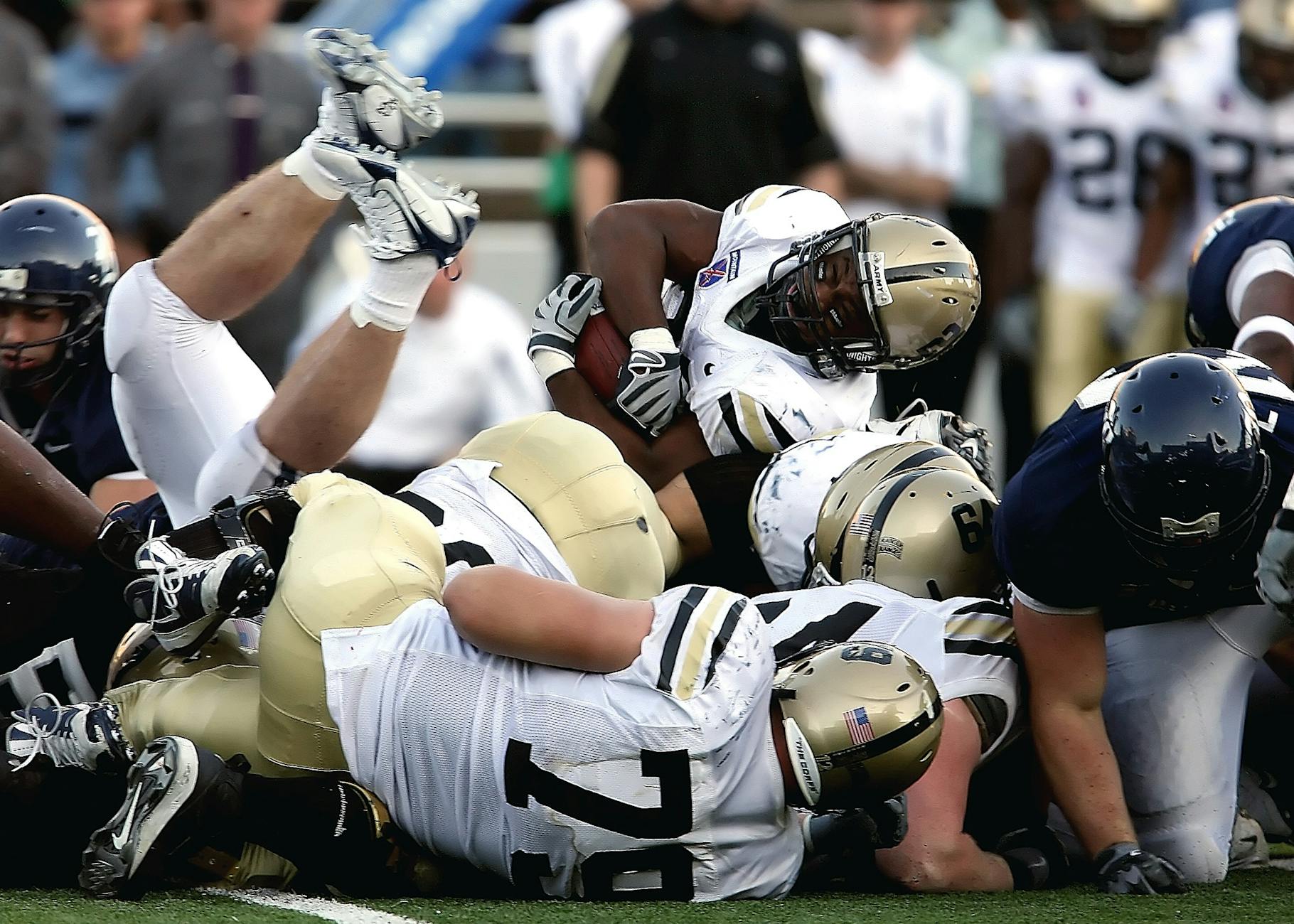
Photo by Pixabay on Pexels
What are three predictions for next quarter?
Three predictions define the next quarter of 2026 College Football coverage: early Top 25 volatility, stronger betting attention on neutral-site games, and heavier focus on transfer-player fit before conference play begins.
First, preseason rankings will move faster than usual after Week 1 because early windows include brand-heavy games and international exposure. A single Dublin result involving North Carolina and TCU will generate more narrative weight than a typical campus opener. Second, neutral-site and travel games will attract more live-betting interest because weather, time zones, and unfamiliar venues create observable edges during the first quarter. Third, transfer impact will become the most important August storyline because depth charts now change quicker than traditional magazines and preseason polls can capture.
Use this practical checklist for the next quarter:
- Mark Week 1 through Week 4 travel spots.
- Track closing lines, not only opening odds.
- Review quarterback pressure rates after two games.
- Compare red-zone touchdowns with total yardage.
- Watch whether ranked teams rotate starters in blowouts.
- Save January 25, 2027, as the CFP endpoint.
The contrarian conclusion is this: the best 2026 College Football previews will not be the longest rankings lists. They will be the ones that explain when information becomes tradable. That is where Goal Moments can help fans bridge tactics, numbers, and market discipline.
weekly college football predictions
Frequently Asked Questions
Q: What is College Football?
A: College Football is gridiron football played by university and college teams, mainly in the United States. The top level is the Football Bowl Subdivision, known as FBS, which includes major conferences such as the SEC, Big Ten, Big 12, and ACC. The season builds toward bowls and the College Football Playoff.
Q: How do I follow the 2026 College Football schedule?
A: Start by tracking weekly schedule windows from Week 1 through Week 15, then follow bowls and the CFP. ESPN lists Week 1 from August 22 to September 7, 2026, and the postseason runs into January 2027. Focus on venue, kickoff time, TV listing, travel, and betting line movement.
Q: What is the difference between FBS and FCS?
A: FBS is the highest-profile subdivision, while FCS is a separate Division I football level with its own championship structure. FBS teams play in major bowl systems and the College Football Playoff discussion. FCS programs still produce elite players and often affect FBS schedules through nonconference games.
Q: Why do College Football betting lines change?
A: Lines change because of injuries, quarterback news, weather, public money, sharp action, and roster updates. A spread such as USC -35.5 can move if depth-chart news changes expected playing time. Always compare opening and closing numbers before judging market strength.
Q: Is watching preseason Top 25 rankings useful?
A: Preseason Top 25 rankings are useful, but they are not final evidence. They show expectations around brands, returning players, coaches, and recruiting strength. After two or three games, efficiency data and opponent quality become more reliable than preseason placement.
Q: What should I do if my College Football prediction fails?
A: Review the reason before changing your method. Check whether the miss came from injury news, pace, turnovers, weather, or a wrong assumption about player usage. The best correction is to record each pick, closing line, and result so patterns become visible.
Q: How much does it cost to follow College Football seriously?
A: Basic schedule and score tracking is free through major sports sites, but serious fans often pay for streaming, data tools, or premium analysis. Costs vary by TV package, sportsbook access, and analytics subscription. Start with free NCAA and ESPN resources before buying advanced tools.
The 2026 College Football season rewards fans who move early, read context, and ignore lazy narratives. Follow the schedule, respect travel, study players, and treat rankings as a starting point rather than a verdict.
Build your 2026 football edge with deeper match predictions and data-led coverage.
Thank you for reading.
Goal Moments · Editorial Archive