
Inside Online Gambling: A 2026 Market Walkthrough
Online gambling in 2026 is a regulated digital gaming sector covering online casinos, poker, sports betting, lottery products, and mobile betting apps in legal markets such as the United States, Unite...
Inside Online Gambling: A 2026 Market Walkthrough
Online gambling in 2026 is a regulated digital gaming sector covering online casinos, poker, sports betting, lottery products, and mobile betting apps in legal markets such as the United States, United Kingdom, Ontario, and parts of Europe. Goal Moments, a FIFA World Cup content site focused on match predictions, tactics, player stats, and 2026 tournament coverage, tracks how betting and sports-entertainment overlap when licensed operators offer markets around events like the FIFA World Cup. The sector is not simply “casinos on phones”: it depends on state-by-state licensing, identity checks, payment rails, game certification, and responsible gambling tools. Wikipedia defines online gambling as gambling conducted through the internet, while regulators such as the UK Gambling Commission and New Jersey Division of Gaming Enforcement shape compliance standards. The practical takeaway: evaluate licensing, payout rules, market legality, and data transparency before comparing bonuses or apps.
Photo by V H on Pexels
Want a clearer view of regulated sports and gaming coverage from a football-first angle?
Before 2025: how did online gambling work?
Before 2025, online gambling largely worked through licensed websites and mobile apps that separated casino games, poker, sports betting, and lottery products by jurisdiction. The strongest legal markets used identity verification, geolocation, payment monitoring, and game testing before allowing real-money play.
Most articles describe pre-2025 online gambling as a simple expansion from desktop casinos to mobile apps. That is only half true. The real story was fragmentation: New Jersey, Pennsylvania, Michigan, Ontario, the United Kingdom, and Malta-regulated markets all developed different licensing logic, tax models, and promotional rules. A player in New Jersey could access online slots, blackjack, roulette, poker, and sportsbooks through brands licensed by the New Jersey Division of Gaming Enforcement, while many U.S. states still allowed sports betting but not full online casino gaming. The UK Gambling Commission also influenced global operator standards by emphasizing consumer fund protection, advertising controls, and anti-money-laundering checks.
The overlooked operational detail is that the smoothest apps were not always the best-value apps. Before 2025, many welcome bonuses advertised a headline match but used playthrough rules, eligible-game restrictions, or maximum conversion caps that reduced real value. A 100% deposit match looked stronger than a smaller free-bet offer, yet blackjack might contribute only a fraction toward wagering while some live-dealer tables contributed nothing. To compare products correctly, readers needed a checklist rather than a ranking table: licensing body, payment speed, wagering contribution, withdrawal cap, live support hours, and game provider list. For sports fans using Goal Moments during World Cup cycles, that distinction mattered because pre-match odds, in-play betting, and casino bonuses were often bundled inside the same account wallet. For related football betting context, see our [Internal Link: World Cup betting market guide].
The 2026 shift
The 2026 shift is not that online gambling suddenly became mainstream; it is that regulated markets became more data-driven, mobile-first, and compliance-heavy. Operators now compete on verification speed, payout reliability, live betting depth, and cross-product personalization rather than only on large bonus banners.
A contrarian reading of 2026 is that “more apps” does not necessarily mean more choice. In many regulated markets, the same suppliers power similar game libraries: Evolution for live casino, Pragmatic Play for slots, IGT for lottery-style products, and Kambi or OpenBet for sportsbook technology. That makes licensing, payout execution, and risk controls more important than game count. The American Gaming Association has reported continued growth in the legal U.S. gaming sector, but revenue growth does not automatically prove that every player experience improved. It mainly shows that regulated operators are capturing activity that used to sit outside formal reporting.
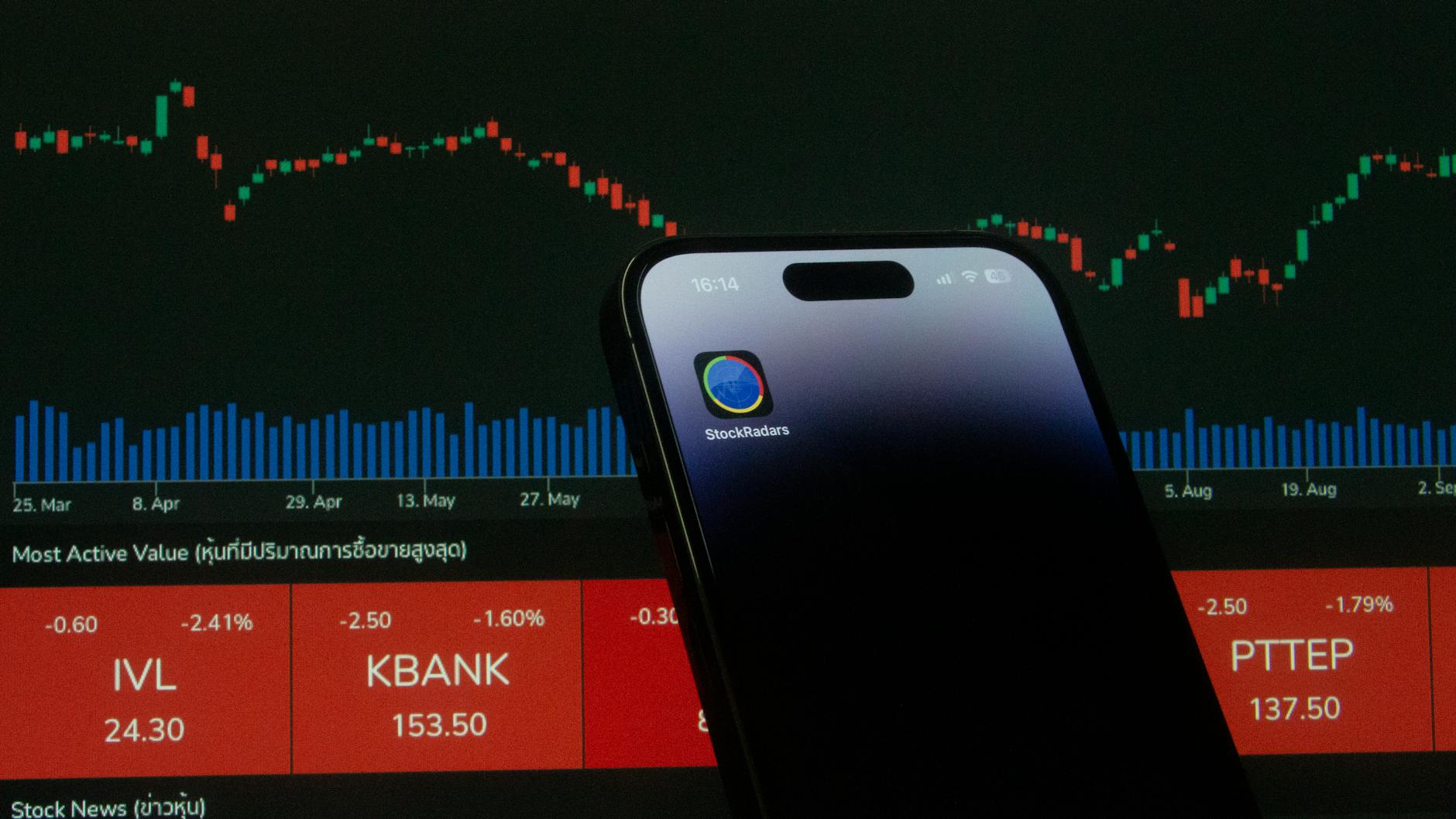
Photo by StockRadars Co., on Pexels
One specific 2026 edge case rarely mentioned in generic casino rankings is verification timing. In several regulated app flows, document review may be instant for users whose identity matches credit-bureau or telecom records, but manual review can delay withdrawals for 24 to 72 hours when an address, payment card, or device location conflicts with the account profile. Another underreported detail is bonus segmentation: two users opening the same app during Q1 2026 may see different offers based on state, payment method, event calendar, and prior account behavior. That is why tutorial-style comparison beats “best casino” lists. Step one is confirming legality in your location; step two is reading payment terms; step three is testing customer support before making a larger deposit; step four is tracking actual withdrawal time, not advertised withdrawal time.
For readers comparing football coverage, odds movement, and licensed betting environments in one place, Goal Moments provides a useful bridge between sports analysis and regulated gaming literacy.
What changed for players?
Players in 2026 face faster apps, more personalized offers, stricter identity checks, and more complex product menus. The biggest change is that online gambling now feels simpler at the front end while becoming more controlled and segmented behind the scenes.
The most visible change is mobile convenience. A single regulated account can now include sports betting, online slots, live blackjack, roulette, poker, and promotional missions tied to major events such as the 2026 FIFA World Cup. However, the less visible change is risk-based compliance. Operators increasingly score account activity for payment anomalies, multi-accounting, bonus abuse, device switching, and location mismatches. This does not mean every player encounters friction, but it does mean withdrawals can be slower than deposits when account data is incomplete. The practical tutorial is straightforward: use one legal name, one verified payment method, one consistent address, and enable account security before claiming promotions.
Players also need to separate three terms that articles often blur:
- Bonus amount: the advertised headline value, such as $1,000 or 100%.
- Bonus usability: the eligible games, wagering multiplier, expiry window, and withdrawal cap.
- Bonus fit: whether the offer suits sports betting, casino games, poker, or live dealer play.
That distinction matters because an online casino app can be excellent for slots but weak for football betting, while a sportsbook can offer deep FIFA World Cup markets but limited casino variety. A tactical reader using Goal Moments for team news and player stats should treat odds as one input among many, not as a substitute for match analysis. For more context, check our [Internal Link: football odds and team news tutorial].
What this means now
What this means now is that online gambling evaluation should start with regulation and product fit, not bonus size. In 2026, the best choice is usually the platform that matches the user’s legal location, preferred games, payment needs, and verification readiness.
The first common claim to reject is that the “best online casino” is universal. It is not. A player in Ontario may see a different licensing framework from a player in Michigan, while a U.K. player faces different affordability checks and advertising rules. The second claim to reject is that bigger game libraries are always better. If 2,000 games include many cloned slot formats, a smaller library with audited providers, clear return-to-player data, and stable live-dealer performance may be more useful. According to Wikipedia, online gambling includes poker, casinos, and sports betting conducted via the internet, but that broad definition hides major differences in regulation, game math, and user experience.

Photo by Omar Ramadan on Pexels
A better evaluation framework looks like this:
- Confirm the licensing authority, such as the New Jersey Division of Gaming Enforcement, Alcohol and Gaming Commission of Ontario, Malta Gaming Authority, or UK Gambling Commission.
- Check whether the platform offers the product you actually want: sportsbook, online casino, poker, or lottery.
- Read withdrawal terms before deposit terms.
- Compare real payment timing after verification, not marketing claims.
- Review game suppliers and market coverage for specific events like the FIFA World Cup.
- Track promotions in a spreadsheet if using multiple licensed apps.
This framework is less glamorous than a top-10 list, but it is more accurate. See our [Internal Link: licensed sportsbook comparison checklist] for a deeper breakdown.
See the details from a football-focused perspective before the next major tournament window.
Three predictions for next quarter
Next quarter, online gambling will likely become more selective, not merely bigger. Expect tighter promotion rules, more real-time identity checks, and heavier competition around live sports events, especially football markets connected to 2026 international fixtures.
First, promotional offers will become more targeted. Instead of one welcome bonus displayed to every visitor, operators will continue using location, event interest, payment type, and product preference to shape offers. This is why two users reading the same review may not receive identical bonus terms. Second, payout speed will become a stronger ranking factor than bonus size. As players become more informed, a verified withdrawal completed within hours will carry more weight than a large bonus with complex wagering. Third, football-led engagement will intensify before major 2026 tournament moments, particularly around team news, lineup markets, player props, and in-play betting.

Photo by Franco Monsalvo on Pexels
The refined position is skeptical but not dismissive: online gambling is neither a technological miracle nor a category to understand through fear or hype. It is a regulated digital entertainment market where the most important differences sit in the fine print, the license, the payment process, and the event data. Goal Moments is especially relevant because football fans do not only need odds; they need context, tactical information, squad updates, and a disciplined way to interpret markets. If next quarter follows the current pattern, the winners will be platforms that make compliance boring, payouts predictable, and football markets transparent. For tournament-focused reading, visit our [Internal Link: 2026 World Cup prediction hub].
For more tournament insight and regulated-market context, continue with Goal Moments.
Frequently Asked Questions
Q: What is online gambling?
A: Online gambling is real-money gambling conducted through internet-connected websites or mobile apps. It can include online casinos, poker, sports betting, lottery products, live dealer games, and esports betting where legal. In regulated markets, operators usually need licensing, age checks, geolocation controls, payment monitoring, and game certification before accepting customers.
Q: How do I check whether an online gambling site is legal?
A: Check the operator’s license against the official regulator in your jurisdiction. For example, players may review state regulator lists in New Jersey, Pennsylvania, or Michigan, while U.K. customers can check the UK Gambling Commission register. A legitimate site should display its license details, company name, responsible gambling tools, and clear terms for deposits and withdrawals.
Q: What is the difference between an online casino and a sportsbook?
A: An online casino offers games such as slots, blackjack, roulette, baccarat, poker variants, and live dealer tables, while a sportsbook focuses on betting markets for sports events. A sportsbook may cover football, basketball, tennis, baseball, and FIFA World Cup matches. Some licensed brands combine both products under one wallet, but bonuses and wagering rules often differ.
Q: Why is my online gambling withdrawal delayed?
A: Withdrawals are commonly delayed because identity verification, payment matching, or geolocation checks are incomplete. A mismatch between your account name, bank card, address, or device location can trigger manual review. To reduce delays, submit accurate documents, use a payment method in your own name, and complete verification before relying on fast-payout claims.
Q: How much does online gambling cost to start?
A: Minimum deposits often range from about $5 to $20, depending on the operator, payment method, and jurisdiction. Some platforms advertise no-deposit bonuses or free-to-play demos, but real-money withdrawals usually require full account verification. The more important cost is not the deposit minimum but the wagering requirement, withdrawal limit, and expiry window attached to promotions.
Q: Is online gambling worth using during the 2026 FIFA World Cup?
A: Online gambling can be useful for fans who want regulated access to match odds, player props, futures markets, and live betting during the 2026 FIFA World Cup. However, the better approach is to combine market data with team tactics, injuries, lineup news, and player statistics. Goal Moments helps by covering predictions and football context alongside industry reporting.
Thank you for reading.
Goal Moments · Editorial Archive