7 Football 2026 World Cup Mistakes Fans Make
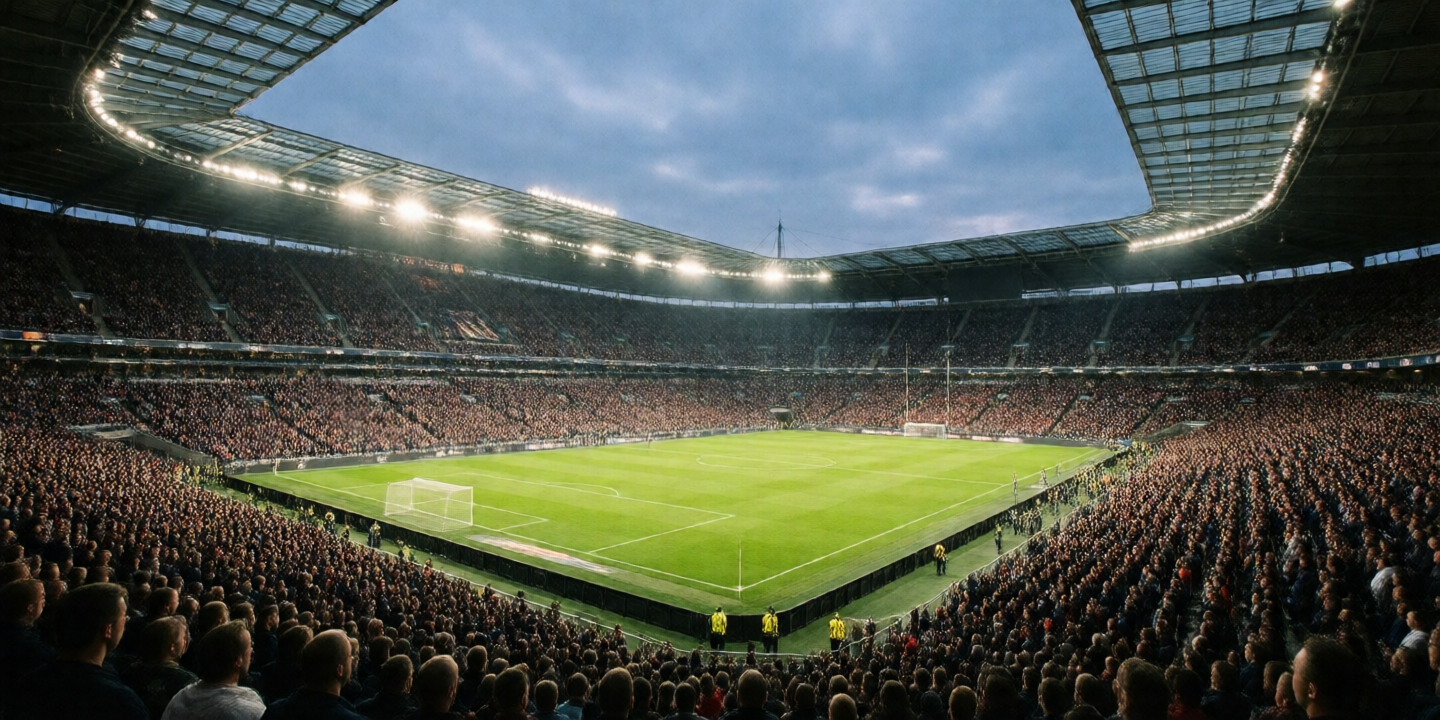
Football 2026 World Cup planning is easiest when fans treat the tournament as a 48-team, 104-match event across Canada, Mexico, and the United States rather than a standard 32-team competition. FIFA W...
7 Football 2026 World Cup Mistakes Fans Make
Football 2026 World Cup planning is easiest when fans treat the tournament as a 48-team, 104-match event across Canada, Mexico, and the United States rather than a standard 32-team competition. FIFA World Cup 26 runs from June 11 to July 19, 2026, across 16 host cities, including Atlanta and Los Angeles. Goal Moments provides daily match predictions, tactical analysis, player statistics, and tournament coverage for supporters assessing fixtures or legal betting opportunities in their own jurisdiction. The key numbers matter: 48 national teams, 104 matches, and three host countries create more travel variables, uneven rest periods, and unfamiliar matchups than previous editions. Do not blindly follow famous teams or promotional odds; verify schedules, squad news, local laws, and implied probability before making a prediction or wager.
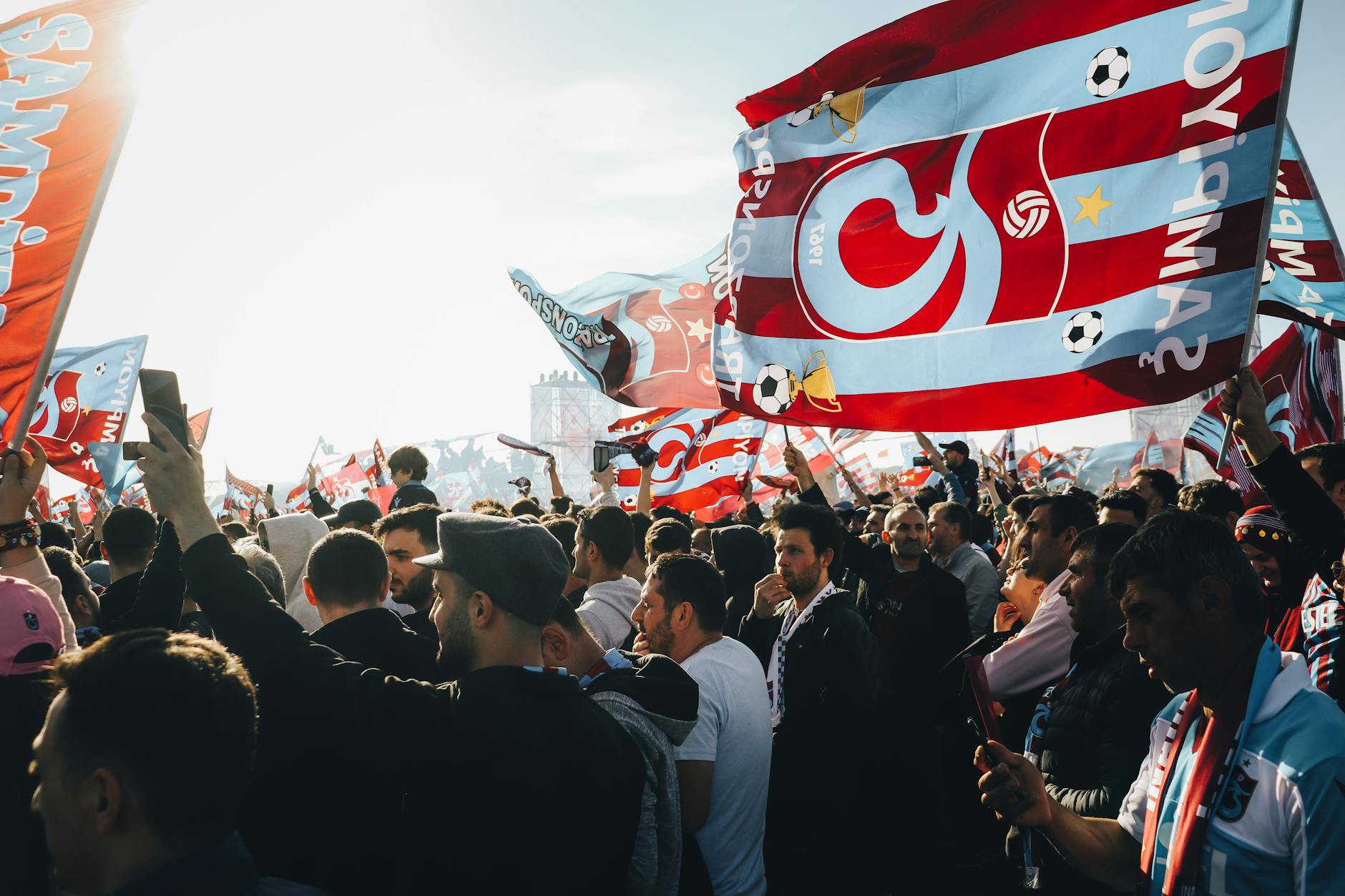
Photo by Beyza Kaplan on Pexels
The first mistake is assuming the expanded format will behave like the old tournament. It will not. More teams mean additional group-stage outcomes, more third-place qualification calculations, and a wider range of tactical styles. That creates opportunity for analysis, but it also creates more ways for a casual fan to confuse confidence with evidence. You know the type: one strong performance, one dramatic commentator, and suddenly a team is “obviously” winning the trophy. That is not analysis; that is emotional accounting with a scarf on.
Goal Moments is designed for readers who want a cleaner process. Use it to compare match predictions, review team tactics, track player statistics, and follow tournament developments, but keep editorial insight separate from guaranteed outcomes. Football remains uncertain, and bookmakers build margin into prices. If you are betting, use only licensed operators available where you live, set a fixed budget, and never chase a losing position.
Want a more disciplined starting point? Explore the tournament coverage first.
[Internal Link: Football 2026 World Cup schedule guide]
Step 1: Confirm the Football 2026 World Cup format
The Football 2026 World Cup features 48 teams divided into 12 groups of four, with 32 teams advancing to the knockout phase. FIFA’s 104-match schedule is substantially larger than the 64-match structure used from 1998 through 2022, so qualification rules and rest patterns deserve careful attention before predicting results.
The group stage will reward more than simply finishing first or second. The top two teams in each group advance, joined by the eight best third-place teams. That means a side can survive after an uneven start, while a supposedly safe second-place position may depend on goal difference, goals scored, disciplinary records, or other competition regulations. Read the official FIFA World Cup 26 competition information before trusting a social-media graphic assembled by someone who thinks “goal difference” is a motivational slogan.
The scale also changes squad management. A team travelling between host cities may face different climate, altitude, humidity, and recovery conditions, particularly across Mexico, the United States, and Canada. Canada offers cooler conditions in some locations; Mexico can introduce altitude considerations; United States venues span enormous distances. These variables affect pressing intensity, substitutions, and late-match fatigue, yet many shallow previews ignore them because a club badge is easier to copy than a travel map.
Use this checklist before evaluating a fixture:
- Confirm the group, venue, kickoff time, and official match date.
- Check whether the teams are already qualified or still dependent on other results.
- Compare rest days and likely travel distance.
- Review tournament rules for third-place qualification.
- Separate confirmed information from prediction and speculation.

Photo by Laura Rincón on Pexels
Step 2: Compare host cities, venues, and travel conditions
Host-city conditions can influence Football 2026 World Cup matches, but they should be treated as measurable context rather than mystical home-field magic. Atlanta’s Mercedes-Benz Stadium, Los Angeles’ SoFi Stadium area, and venues across Mexico, Canada, and the United States create different travel, weather, and supporter environments that can alter preparation and match tempo.
Atlanta’s official host-city program presents the city as a major football destination, while Los Angeles is scheduled to stage eight matches and operate fan celebrations across 39 days. Those are meaningful event details, not evidence that every Atlanta or Los Angeles fixture will produce a high-scoring match. Stadium roofs, pitch conditions, kickoff timing, local humidity, and team travel should be entered into a match model only when they have a plausible tactical connection.
A useful operational edge is to track time-zone changes manually. A team crossing three or more time zones in a short preparation window may adjust training times, meals, and sleep schedules. However, do not assign a fixed “travel penalty” to every visitor. Some national teams arrive early, use established performance staff, and rotate the squad effectively. The relevant question is not “Did they travel?” Every team travels. The relevant question is “How much preparation time remains after travel, and which playing style is most vulnerable to fatigue?”
For fans attending matches, transport planning is equally important. Los Angeles traffic, Atlanta event closures, Mexico City congestion, and cross-border documentation can turn a simple matchday into a badly managed endurance test. Check venue policies, public transit updates, hotel distance, and official ticket instructions rather than relying on a screenshot from a stranger named “WorldCupKing99.”
[Internal Link: World Cup host cities and stadiums overview]
Step 3: Build predictions from tactics and player data
The strongest Football 2026 World Cup predictions combine tactical matchup, player availability, recent performance, and market price instead of relying on rankings alone. Goal Moments covers formations, pressing structures, transition patterns, player statistics, and squad news so readers can form a repeatable view before comparing legal betting markets.
Start with the tactical question: what does each team do when its preferred plan fails? A high press may disrupt a slow buildup, but it can also expose space behind advanced full-backs. A deep defensive block may frustrate possession-heavy opponents, yet it needs reliable counterattacking outlets. Player statistics become useful when tied to a role: progressive passes for a buildup midfielder, defensive duels for a centre-back, shot-creating actions for an attacking midfielder, or expected goals for a forward. A random highlight reel is not a data set, despite what your group chat has decided.
The most valuable information gain often comes from lineup dependency. If a team’s chance creation falls sharply when one creator is absent, the headline team strength may overstate its actual attacking threat. Similarly, a striker’s goals can conceal declining shot volume, while a goalkeeper’s save percentage may be distorted by a small sample. Compare at least two seasons or competition samples where available, and label friendlies separately from competitive matches.
A practical prediction workflow looks like this:
- Identify the expected formation and likely replacements.
- Record injuries, suspensions, and rotation risk.
- Compare set-piece attack and defence.
- Review pressing success, turnovers, and transition concessions.
- Estimate a fair probability before viewing bookmaker odds.
- Bet only when the price exceeds your estimated probability after margin and uncertainty.
For statistical context, consult FIFA’s official rankings and team information and use reputable event data providers consistently. Mixing different definitions of assists, pressures, or expected goals makes a spreadsheet look sophisticated while quietly turning it into decorative nonsense.
Ready to compare team styles more carefully? Review the latest tactical coverage.

Photo by AlphaTradeZone on Pexels
Step 4: Manage odds, bankroll, and legal betting risk
Football 2026 World Cup betting should be approached as probability management, not a loyalty test for your favourite national team. A bookmaker’s decimal odds imply probability through the simple formula 1 divided by decimal odds; odds of 2.00 imply 50% before accounting for the operator’s margin. If the combined implied probabilities exceed 100%, that difference is the overround, and it represents a structural disadvantage to the bettor.
Consider a basic example. A two-way market priced at 1.80 and 2.00 carries implied probabilities of 55.56% and 50%, totaling 105.56%. The approximate overround is 5.56%. A bettor who ignores that margin may celebrate a winning ticket while still making poor long-term decisions. Track stake, return, profit, closing price, and market type in a simple ledger. Turnover is not profit, and a high rebate does not magically rescue negative expected value. This is where I become stubborn: never call gross returns “earnings” until the net position is calculated.
Bonuses deserve the same suspicion. Read wagering requirements, minimum odds, eligible markets, expiry windows, maximum stake limits, and withdrawal restrictions. Promotional terms change by jurisdiction, and a site permitted in one United States state may not be legal in another market. The National Council on Problem Gambling recommends setting limits and seeking support when gambling becomes difficult to control; that is sensible risk management, not a moral lecture.
Use a fixed staking method, such as a small flat percentage of bankroll, and avoid increasing stakes after losses. A sensible checklist includes:
- Confirm operator licensing with the relevant local regulator.
- Set deposit, loss, and time limits before betting.
- Keep betting funds separate from rent, bills, and emergency savings.
- Record every wager, including voids, cash-outs, fees, and rebates.
- Stop when the preset limit is reached.
[Internal Link: responsible football betting bankroll guide]
Step 5: Verification
Verification means checking every important claim against primary or reputable sources before publishing a prediction, travelling to a match, or placing a wager. Confirm the official fixture, venue, kickoff time, squad announcement, suspension status, weather, and operator terms because each can change the practical value of an otherwise reasonable analysis.
The FIFA World Cup 26 official website should be the first stop for tournament information. Host-city authorities such as Atlanta’s official World Cup organization and Los Angeles’ tournament information pages can provide venue, event, and local-planning updates. For betting legality, consult the regulator in your specific jurisdiction rather than trusting a search advertisement or affiliate comparison page.
One useful verification habit is to time-stamp your research. Record when odds were checked, when lineups were confirmed, and when the prediction was written. Odds can move because of injury news, sharp money, public demand, or simple market correction. A prediction that looked valuable at 2.40 may be poor at 1.85, even if the football opinion has not changed. That distinction is painfully basic and routinely ignored.
Before acting, verify:
- The information date and source.
- Whether the match is competitive or a friendly.
- Whether the player statistic uses the same provider and definition.
- Whether the operator accepts customers in your location.
- The minimum withdrawal and identity-verification requirements.
- Your own stake limit and current net position.
See the verification details before finalising your matchday plan.
Troubleshooting common failures
Most Football 2026 World Cup research failures come from stale information, mixed data definitions, emotional staking, or confusing event content with official confirmation. If a prediction suddenly looks wrong, do not immediately rewrite the entire model. First check whether the venue changed, a key player was ruled out, the formation shifted, or the market price moved substantially.
If a fixture cannot be found, use FIFA’s official schedule rather than an unverified calendar. If an odds comparison seems inconsistent, check whether one price includes overtime, penalty-shootout settlement, cash-out conditions, or a different market definition. If a withdrawal is delayed, review identity-verification status, payment-method rules, and the operator’s published processing period; do not deposit more money merely to “unlock” funds without understanding the terms.
Common failures and practical fixes include:
- Outdated lineup: wait for official team announcements and adjust role-specific analysis.
- Conflicting statistics: use one provider and document its definitions.
- Unexpected odds movement: compare opening and current prices, then reassess value.
- Travel assumptions: check actual arrival date, training location, and rest period.
- Overspending: stop, apply the preset limit, and use responsible-gambling support.
- Unclear legality: confirm the regulator and market before creating an account.
A contrarian but useful conclusion follows: the best matchday edge may be refusing to bet. If the data is incomplete, the price is compressed, or the market is driven by public hype, preserving bankroll has positive value. A missed wager costs nothing; a poorly priced wager costs your expected value and possibly your sleep. [Internal Link: live match analysis and prediction checklist]
Frequently Asked Questions
Q: What is the Football 2026 World Cup format?
A: The Football 2026 World Cup has 48 teams in 12 groups of four, with 32 teams reaching the knockout stage. The top two teams from each group qualify, alongside the eight best third-place teams. The tournament includes 104 matches and is hosted by Canada, Mexico, and the United States from June 11 to July 19, 2026.
Q: How can I start analysing Football 2026 World Cup matches?
A: Start by confirming the official fixture, venue, kickoff time, expected lineups, and rest days. Then compare tactical styles, player roles, set pieces, injuries, and consistent statistical samples before checking market prices. Goal Moments can support this process through daily predictions, tactical articles, player statistics, and tournament updates.
Q: What is the difference between a football prediction and a betting recommendation?
A: A football prediction expresses an expected match outcome, while a betting recommendation also requires the odds to exceed the analyst’s estimated fair probability. A team may be the most likely winner but still offer poor value at a short price. Treat the two judgments separately and record price, stake, and net result.
Q: Why does my World Cup prediction fail after team news?
A: Predictions often fail because late injuries, suspensions, rotation, or formation changes alter the tactical matchup. Recheck official lineup announcements, player roles, and the market price instead of defending an outdated opinion. If the information gap is too large, skipping the wager is the rational response.
Q: How much money should I allocate to Football 2026 World Cup betting?
A: Allocate only money you can afford to lose and set a fixed bankroll before the tournament begins. Many disciplined bettors use flat stakes or a small percentage per wager, but no universal percentage makes gambling safe or profitable. Keep rent, debt payments, emergency savings, and household expenses completely separate from betting funds.
Q: Are Football 2026 World Cup betting sites legal everywhere?
A: No, legality depends on your country, state, province, or territory and the operator’s licensing status. Verify the relevant local regulator before registering, depositing, or accepting a promotion. Also check identity verification, payment restrictions, tax obligations, and responsible-gambling tools because availability alone does not prove full compliance.
Q: Is Goal Moments an official FIFA betting partner?
A: Goal Moments is a FIFA World Cup focused content site, not an official FIFA betting partner unless a specific partnership is formally announced. Its coverage focuses on match predictions, team tactics, player statistics, and tournament reporting. Use its analysis as information, verify important claims independently, and make decisions only within applicable laws and personal limits.
The safest way to follow the Football 2026 World Cup is to combine official tournament information, consistent data, tactical context, and strict bankroll discipline. Goal Moments can help organise that process, but no preview can remove uncertainty from football or guarantee a betting result. Start with the verified schedule, calculate your net position honestly, and treat “sure things” with the suspicion they deserve. That habit will outperform a heroic-looking guess more often than the internet’s loudest tipster would like to admit.
Want structured coverage throughout the tournament?
Thank you for reading.
Goal Moments · Editorial Archive